
Shipping to a US Warehouse: A TikTok Shop Seller’s Pre-Shipment Checklist
Updated September 16, 2026 · Written by AllDaigou
A shipment can reach the correct US city and still face a receiving delay because its carton labels, SKU records or booking references do not match the warehouse instructions. For TikTok Shop sellers, warehouse preparation starts before the China supplier seals the first carton.
Use this US warehouse shipping checklist to organize the handover among your suppliers, China preparation team, forwarder and receiving warehouse. Requirements vary between third-party warehouses and fulfillment programs, so obtain the current destination instructions for your own shipment.
1. Confirm the destination before creating labels
Collect the full facility address, receiving contact, opening hours, delivery method and appointment requirements. Establish who books delivery, who unloads the vehicle and who pays if the warehouse refuses or reschedules the delivery.
For FBT shipments, use the facility and references assigned through the relevant inbound workflow. Review TikTok’s official inbound request instructions rather than recycling a previous shipment’s address or labels. Program eligibility and product acceptance must be confirmed in your account.
2. Create one product and SKU reference sheet
Your supplier names, shop listing names and warehouse SKU codes may differ. Create a shared reference sheet that connects them before inspection or packing.
- Seller SKU, warehouse SKU or required barcode, product name and supplier reference.
- Variant details such as size, color, pack quantity and whether an item is a bundle.
- Ordered quantity, checked quantity and quantity approved for shipment.
- Product composition and any batteries, liquids, magnets or other characteristics relevant to transport and acceptance.
- Batch, expiry or shelf-life details where the product and destination require them.
For a multipack, confirm whether the warehouse receives it as one sellable unit or several individual units. An accurate piece count can still create incorrect inventory if the unit definition is wrong.
3. Approve the inspection and packing standard
Specify what must be checked before export: quantities, visible damage, variants, agreed dimensions, packaging condition or agreed functional checks. Keep the inspection record and decide how rejected units will be replaced or removed.
AllDaigou’s China inspection support can be discussed against a defined checklist. A sample check does not mean every unit was examined, and an appearance check does not establish product certification.
Protect fragile components and retail packaging for the whole journey, including domestic transport and warehouse handling. Remove obsolete shipping labels when repacking. Confirm any required warning labels, barcode placement and bundle packaging against the receiving warehouse’s specifications.
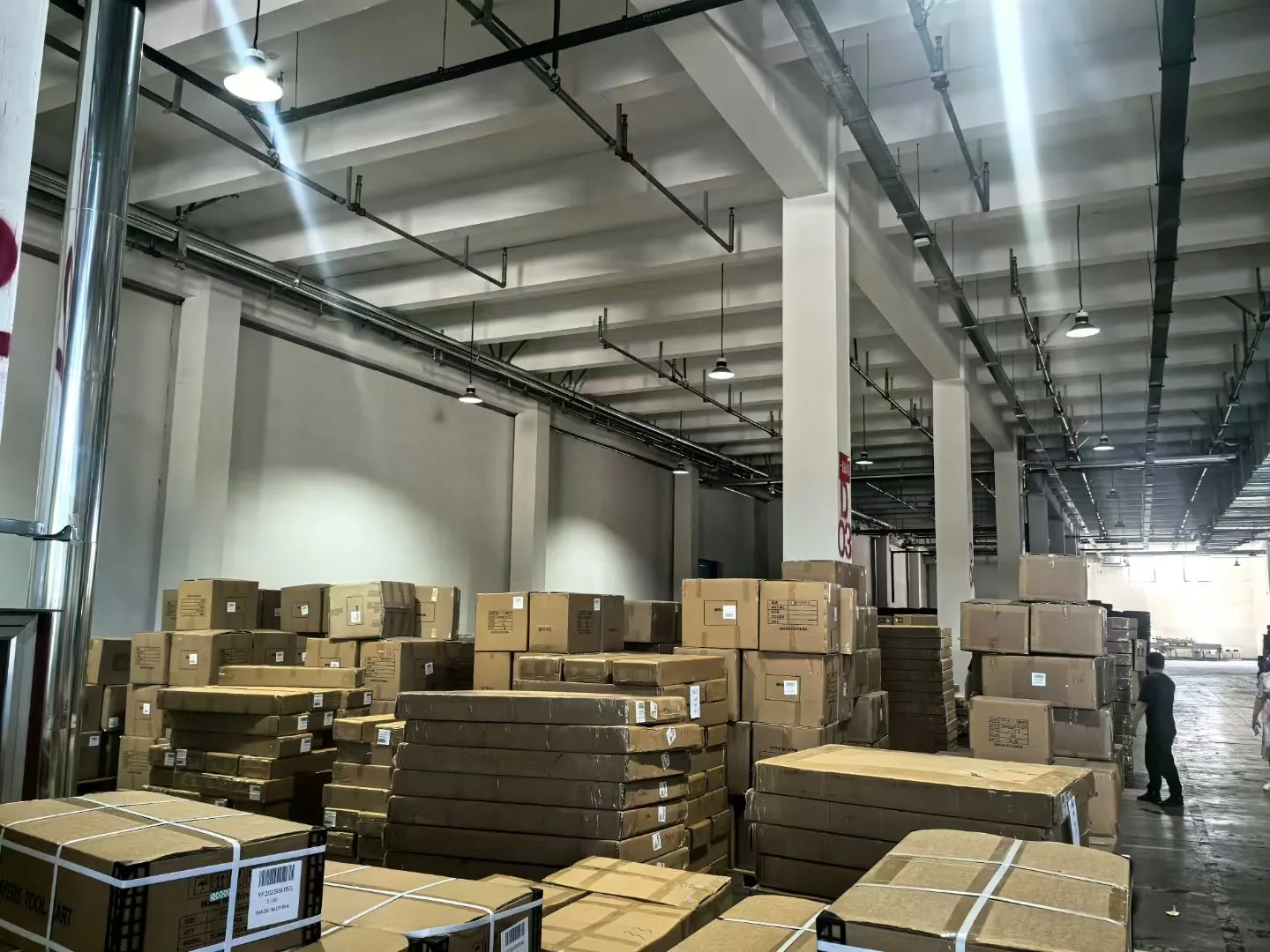
4. Reconcile cartons, labels and documents
Create the final packing list after the shipment has been packed. Each carton reference should connect to its contents, unit quantity, gross weight and dimensions. Confirm whether mixed-SKU cartons are accepted and how their contents must be declared.
Before release, photograph a representative packed carton and its labels. Check that required barcodes are readable, carton references are unique, and the shipment reference on the labels matches the destination booking. If cartons are repacked or quantities change, update both the documents and any affected inbound request.
The commercial invoice and customs data must accurately describe the goods and their value and origin. Identify the importer of record and customs broker. Product-specific import requirements should be resolved before dispatch; a warehouse’s willingness to receive cartons is not customs approval.
5. Check FBT and truck-delivery requirements separately
FBT instructions should not be assumed to match an ordinary third-party warehouse. Consult the current FBT packaging and labeling guidance for the shipment’s applicable requirements, including any carton or pallet labels.
TikTok’s FBT truck-delivery appointment guidance distinguishes truck shipments, which require appointments, from parcel deliveries, which do not use that truck appointment process. For truck deliveries, make sure the responsible party links the required inbound references and follows the current booking instructions.
Ask the forwarder to confirm that its destination delivery arrangement can meet the warehouse’s requirements before booking the freight. Do not assume that a generic “door delivery” service includes palletization, appointment booking, special unloading or rescheduling fees.
6. Keep three handover milestones separate
- Carrier delivered: delivery evidence shows that the shipment reached the nominated destination.
- Warehouse received: the facility has counted and accepted the stock, with any shortages or damage recorded.
- Inventory available: the relevant units are released for order fulfillment in the warehouse or platform system.
Keep the signed delivery record, carton photographs, final packing list and receiving report together. If received units differ from shipped units, open the investigation while documents and packaging evidence are available. Avoid treating a carrier delivery scan as proof that every SKU is sellable.
7. Give each handover a named owner
Write down who approves inspection, releases stock in China, checks customs documents, books the US delivery and resolves receiving discrepancies. Include a contact for schedule changes. This simple ownership list prevents a supplier, forwarder and warehouse from each assuming another party has handled the appointment.
Use our China-to-USA shipping guide for TikTok Shop sellers to place this checklist within the full sourcing and replenishment process.
Frequently asked questions
Can I reuse labels from an earlier FBT shipment?
Do not assume they remain valid. Generate and verify the labels and references required for the current inbound request, destination and carton contents.
What should I do if a supplier changes carton quantities?
Pause release until the packing list, carton labels, measurements and relevant inbound information agree. A last-minute product substitution also needs approval before it enters the shipment.
Does AllDaigou operate the US receiving warehouse?
This checklist does not imply that AllDaigou owns or operates your US warehouse. Share your nominated facility’s instructions so the China preparation and shipping scope can be reviewed and quoted accurately.
Send the checklist before your next shipment
Contact AllDaigou with your product list and US warehouse instructions. Include the SKU sheet, proposed carton details and required stock-availability date so we can discuss inspection, consolidation and preparation before cargo leaves China.